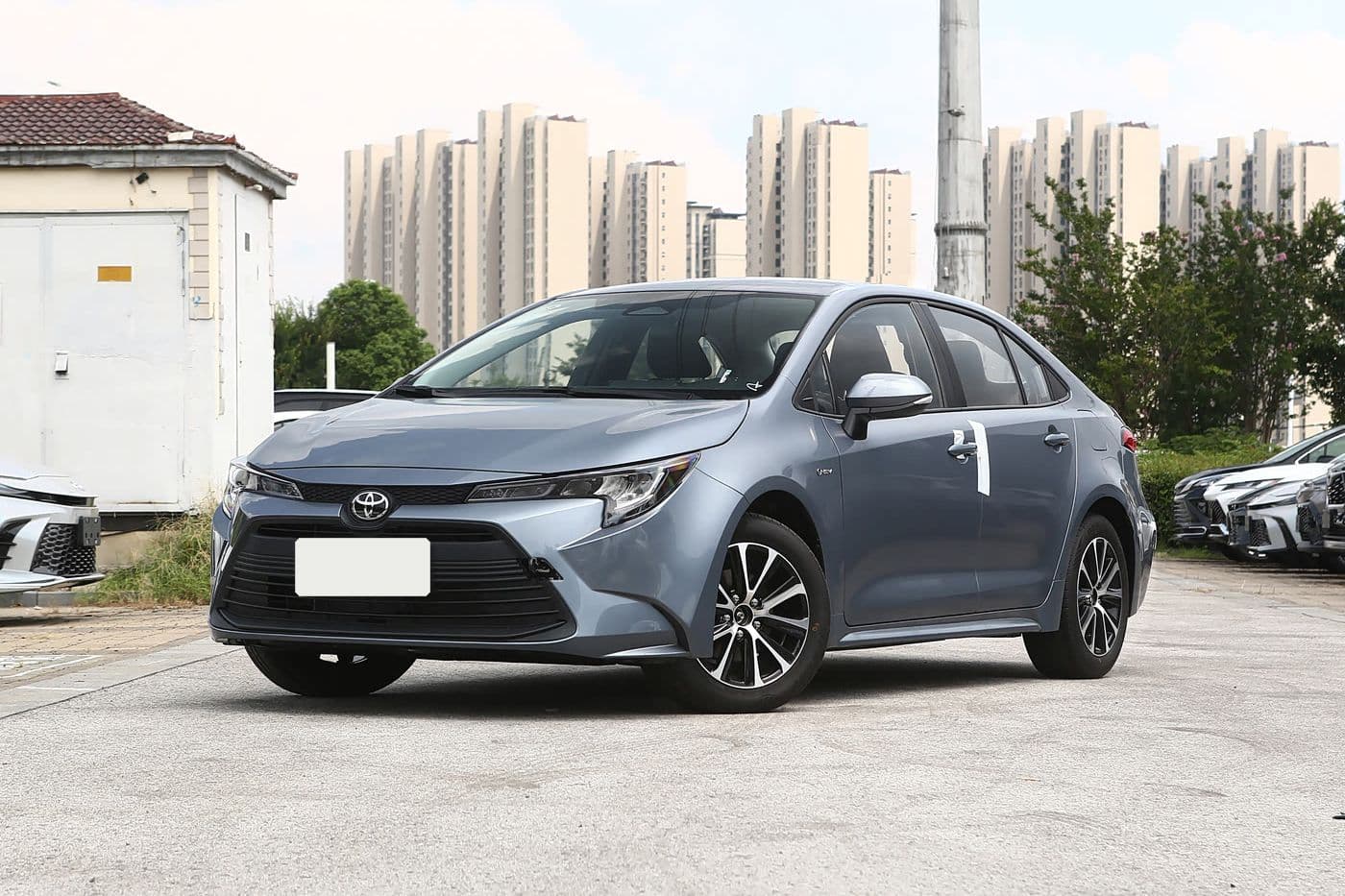
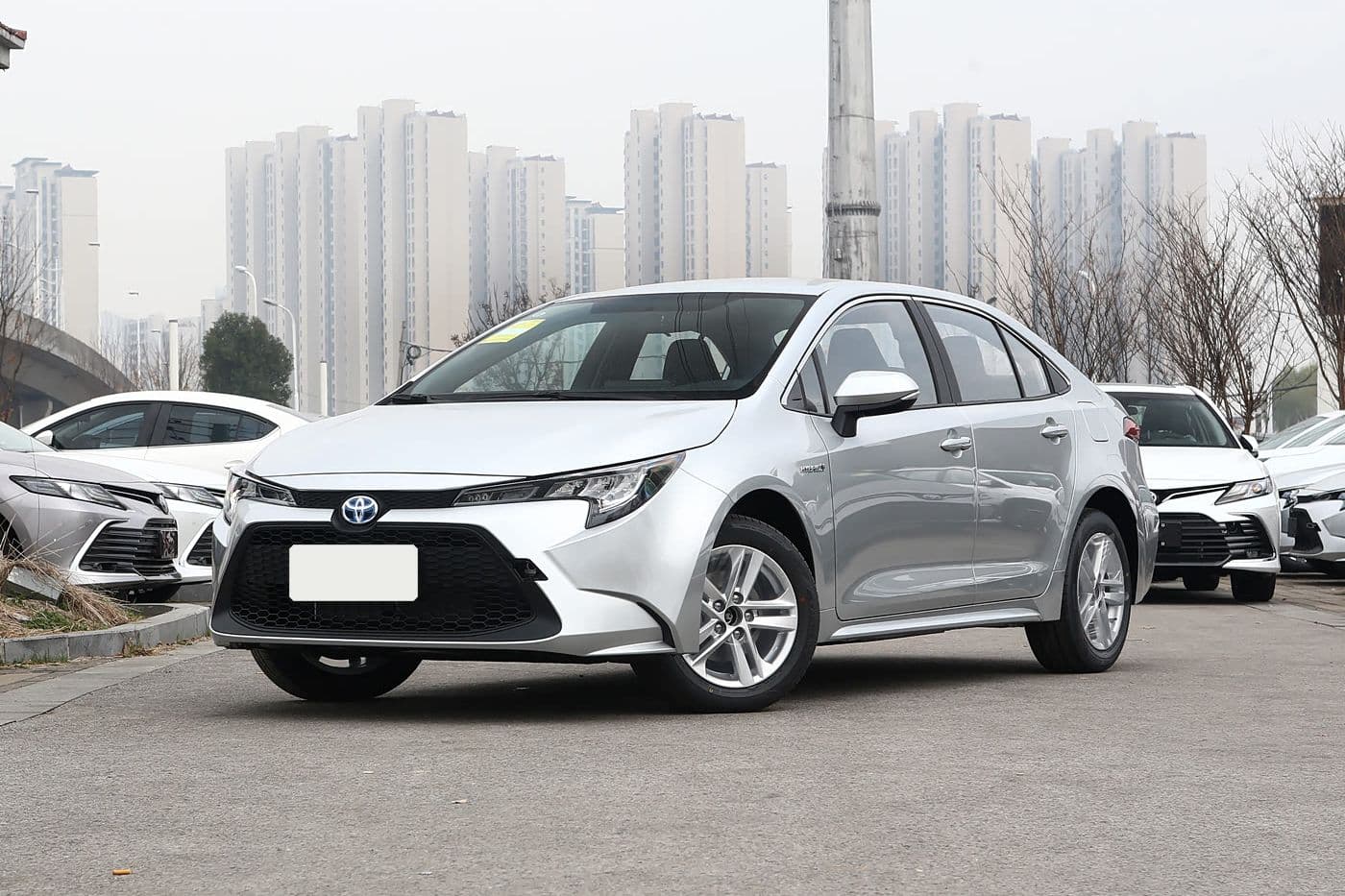
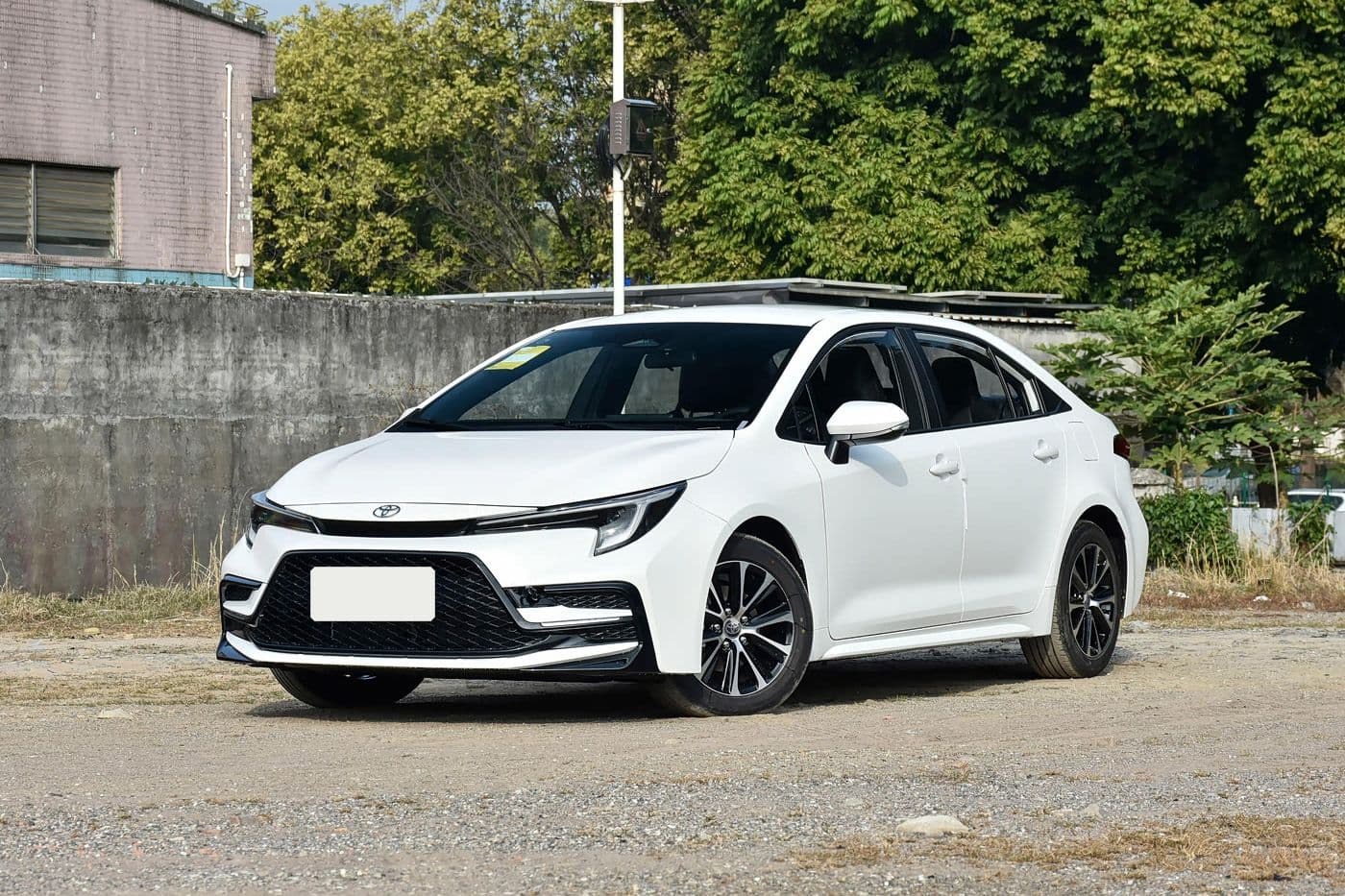
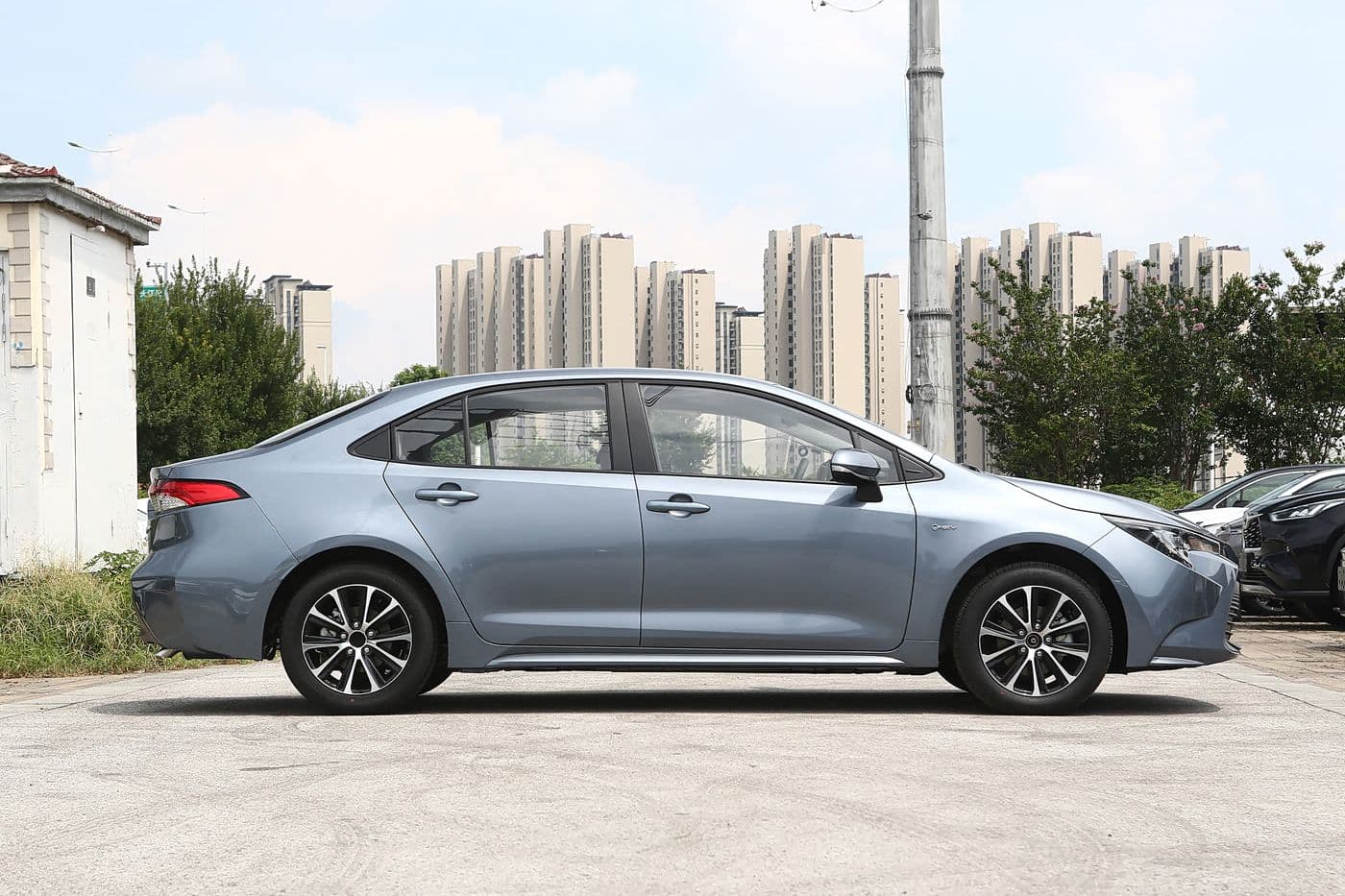
Toyota Levin 1.5L vs 1.8L Hybrid (5th-Gen THS): Which Spec Drives Better ROI for Dealers?
Compare the Toyota Levin 1.5L petrol and 1.8L fifth-generation hybrid for dealers: specs, WLTC fuel use, buyer profiles, stock mix and which one sells faster in your market.
By EVtoU Export Desk · Published · 6 min read
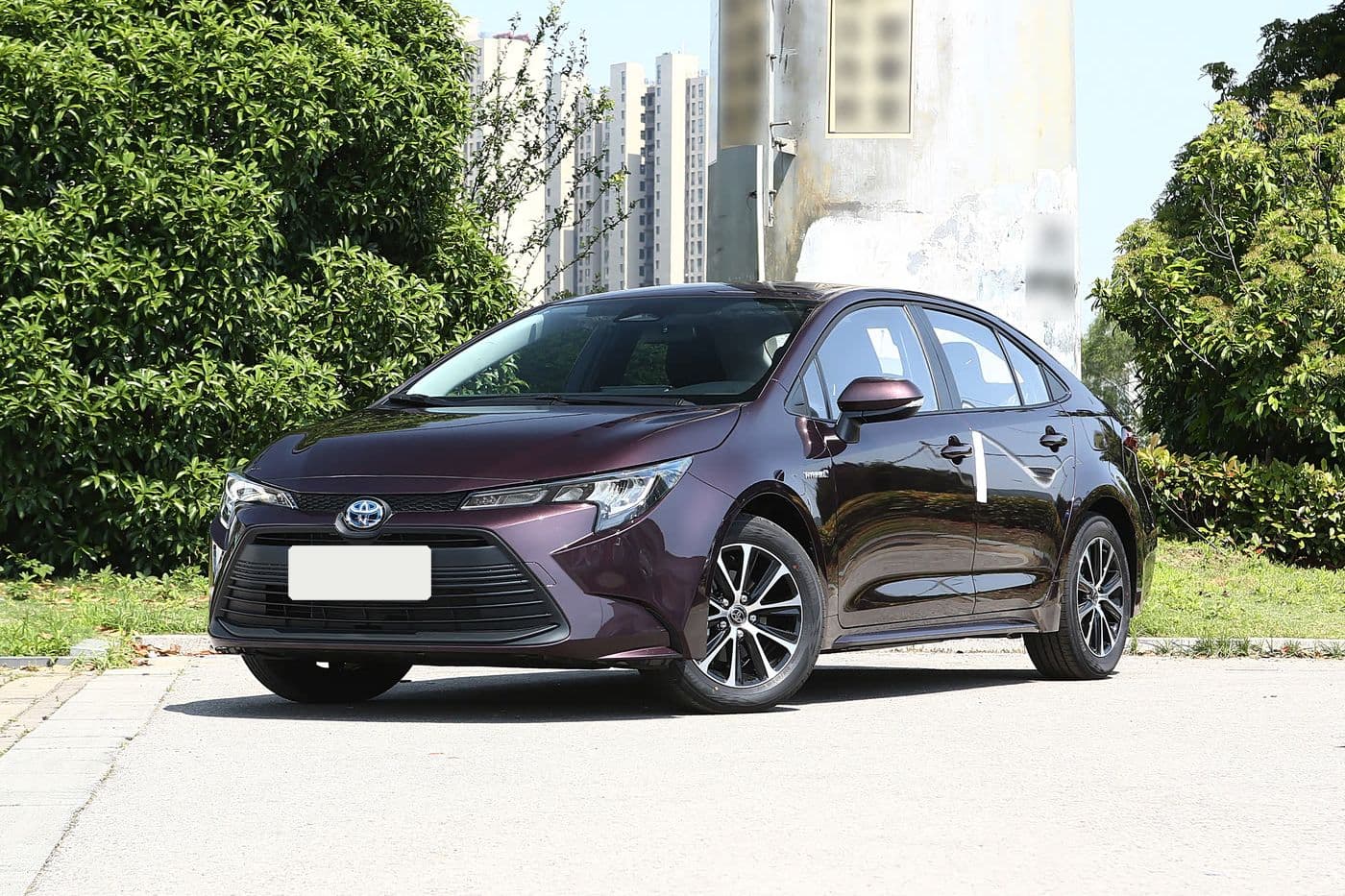
Short answer: stock the 1.5L petrol when your buyers shop on purchase price and fuel is cheap; stock the 1.8L hybrid when your buyers drive a lot, fuel is expensive, or you sell to taxi and ride-hailing drivers. Many dealers do best with a mix — and the 2023 Levin is the only model year that offers both.
What are the key specification differences?
| 1.5L petrol | 1.8L hybrid | |
|---|---|---|
| Engine | M15C, 3-cylinder, 1,490 cc | 8ZR, 4-cylinder, 1,798 cc |
| Output | 89 kW / 148 N·m | 101 kW system (engine 72 kW + motor 70 kW) |
| Transmission | CVT, 10 simulated steps | E-CVT |
| Battery | — | Lithium-ion |
| WLTC fuel use | 5.43 L/100 km | 4.07–4.32 L/100 km |
| Fuel tank | 47 L | 43 L |
| Rear suspension | Torsion beam | Multi-link independent |
| Top speed | 180 km/h | 160 km/h |
What is THS 5th generation, and why does it matter?
From the 2023 model year, the Levin hybrid moved to Toyota's latest hybrid system generation. Compared with the 2022 hybrid, the electric motor grew from 53 kW to 70 kW, torque from 163 to 185 N·m, combined output from 90 to 101 kW, and the battery changed from nickel-metal hydride to lithium-ion. For buyers, that means stronger acceleration and slightly better fuel economy.
Who buys the 1.5L petrol?
- Private buyers who want a Toyota at the lowest possible price.
- Markets with low fuel prices, where a hybrid's savings take longer to pay back.
- Areas where workshops have little hybrid experience.
- Driving schools and light-use company cars.
Who buys the 1.8L hybrid?
- Taxi and ride-hailing drivers covering long daily distances in traffic.
- Fleet operators who calculate total cost per kilometre.
- Buyers in markets with high fuel prices.
- Customers who value the smoother, quieter drive and the better rear suspension.
How do you calculate the fuel payback?
Use your own numbers: take the difference in landed cost between a hybrid and a 1.5L unit, then divide by the yearly fuel saving. The yearly saving is roughly (petrol L/100 km − hybrid L/100 km) × annual km ÷ 100 × fuel price. With WLTC figures, the gap is about 1.1–1.4 L per 100 km; in heavy city traffic the real gap is usually larger. A driver covering 60,000 km a year saves several hundred litres of fuel annually, which is why taxi buyers favour hybrids.
What stock mix works for most dealers?
If you are testing the market, a 40ft container with two hybrids and two 1.5L cars shows quickly which one your customers prefer. Mixed loading is standard for us — see how containers are loaded. After that, scale the version that sells.
Ready to source Toyota Levin?
Send your destination and quantity — we reply within 24 hours with availability and a quotation.