How to Run a Toyota Levin Hybrid Taxi Toward 500,000 km: Fleet Maintenance Guide
Practical maintenance habits that help a Toyota Levin hybrid taxi reach very high mileage: servicing, hybrid battery cooling, brakes, tyres, driver habits and choosing the right model year.
By EVtoU Export Desk · Published · 6 min read
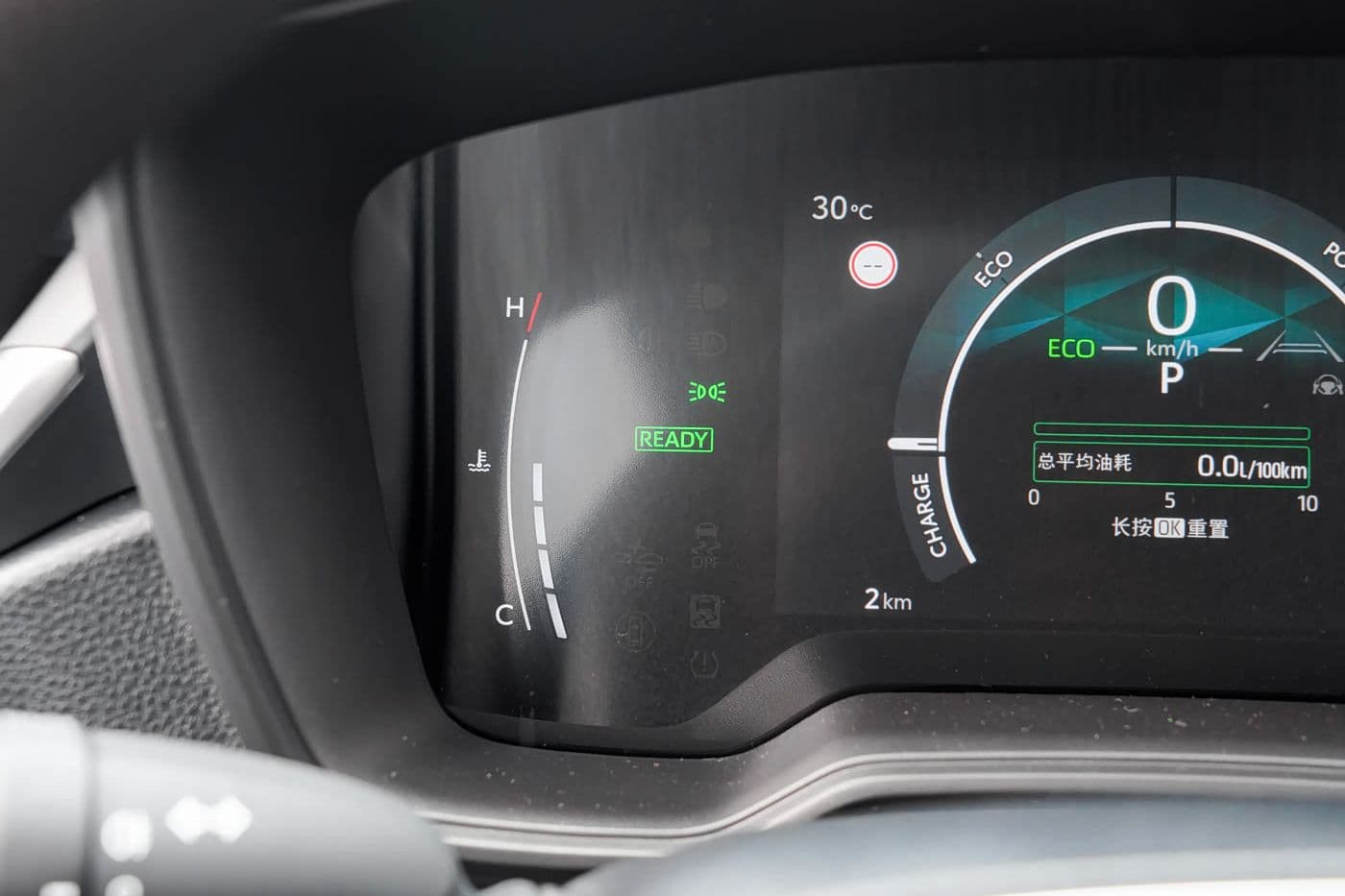
Short answer: there is no secret — high-mileage hybrid taxis are the result of on-time servicing, a clean hybrid-battery cooling path, good driving habits and the right model year at purchase. Toyota hybrids have a strong reputation in taxi service, but no mileage is guaranteed; how you maintain the car decides how far it goes.
Why do hybrids suit high-mileage taxi work?
The Levin hybrid's E-CVT has no clutch and no conventional gearbox, so two common wear items in taxis disappear. Much of the braking is done by the electric motor recovering energy, which reduces brake pad and disc wear. The engine also runs less at low speeds in traffic. These design features are why hybrids are popular with taxi operators — but they only pay off with proper care.
1. Service on time — by kilometres and by hours
Follow the manufacturer's service schedule for oil, filters and fluids, and shorten intervals for severe-duty use (constant idling, dust, heat, short trips). Taxis that idle in queues accumulate engine hours faster than kilometres suggest, so track both. Use the oil grade specified for the engine.
2. Keep the hybrid battery cool
The hybrid battery is cooled by cabin air drawn through an intake near the rear seat. In taxis, this intake can be blocked by bags or clogged with dust and lint. Keep it clear, clean its filter at every service in dusty markets, and ask drivers not to cover it. Heat is the main enemy of battery life.
3. Look after inverter and engine cooling
The hybrid system has its own coolant circuit for the inverter, separate from the engine coolant. Check both levels and replace coolant at the specified intervals, especially in hot climates.
4. Brakes, tyres and suspension
- Regenerative braking saves pads, but calipers still need cleaning and lubrication so pads do not stick.
- Rotate tyres regularly and keep pressures correct — the Levin has tyre-pressure monitoring to help.
- Inspect suspension bushes and shock absorbers often on rough roads.
5. Train drivers to drive the hybrid way
Smooth acceleration and early, gentle braking let the hybrid system work at its best. Drivers who brake hard waste the energy recovery and wear the brakes. Many fleets share fuel-use league tables to encourage good habits.
6. Choose the right model year at purchase
| Model year | Battery | Motor | System output |
|---|---|---|---|
| 2022 | Nickel-metal hydride | 53 kW / 163 N·m | 90 kW |
| 2023–2024 | Lithium-ion | 70 kW / 185 N·m | 101 kW |
| 2026 | Lithium-ion | 70 kW / 185 N·m | 101 kW |
For the longest remaining life, start with a new 2026 car or low-mileage used units. When buying used, we provide photos and video showing each car's odometer and condition before shipment.
7. Stock the right spare parts
Add a parts package to your first order: oil and air filters, cabin and battery-intake filters, brake pads, wiper blades and bulbs. It keeps cars earning while local supply chains are set up. Ask us to quote parts alongside the vehicles.
Ready to source Toyota Levin?
Send your destination and quantity — we reply within 24 hours with availability and a quotation.